Who are you?
What industry do you work in?

This successful launch represents the first time a population of transit riders with a temporary, group-based eligibility have been able to retain their discounts in an open payments fare system.

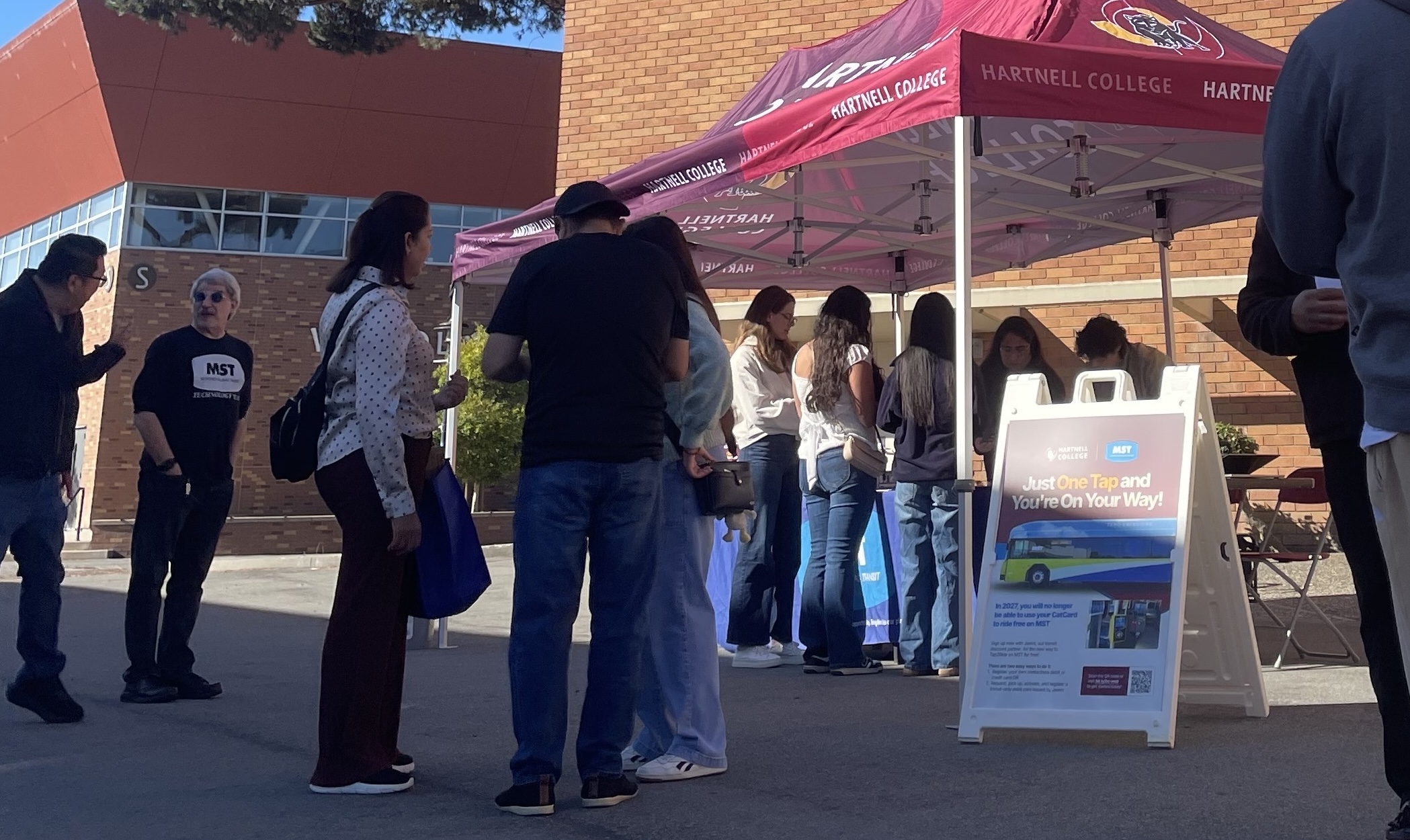
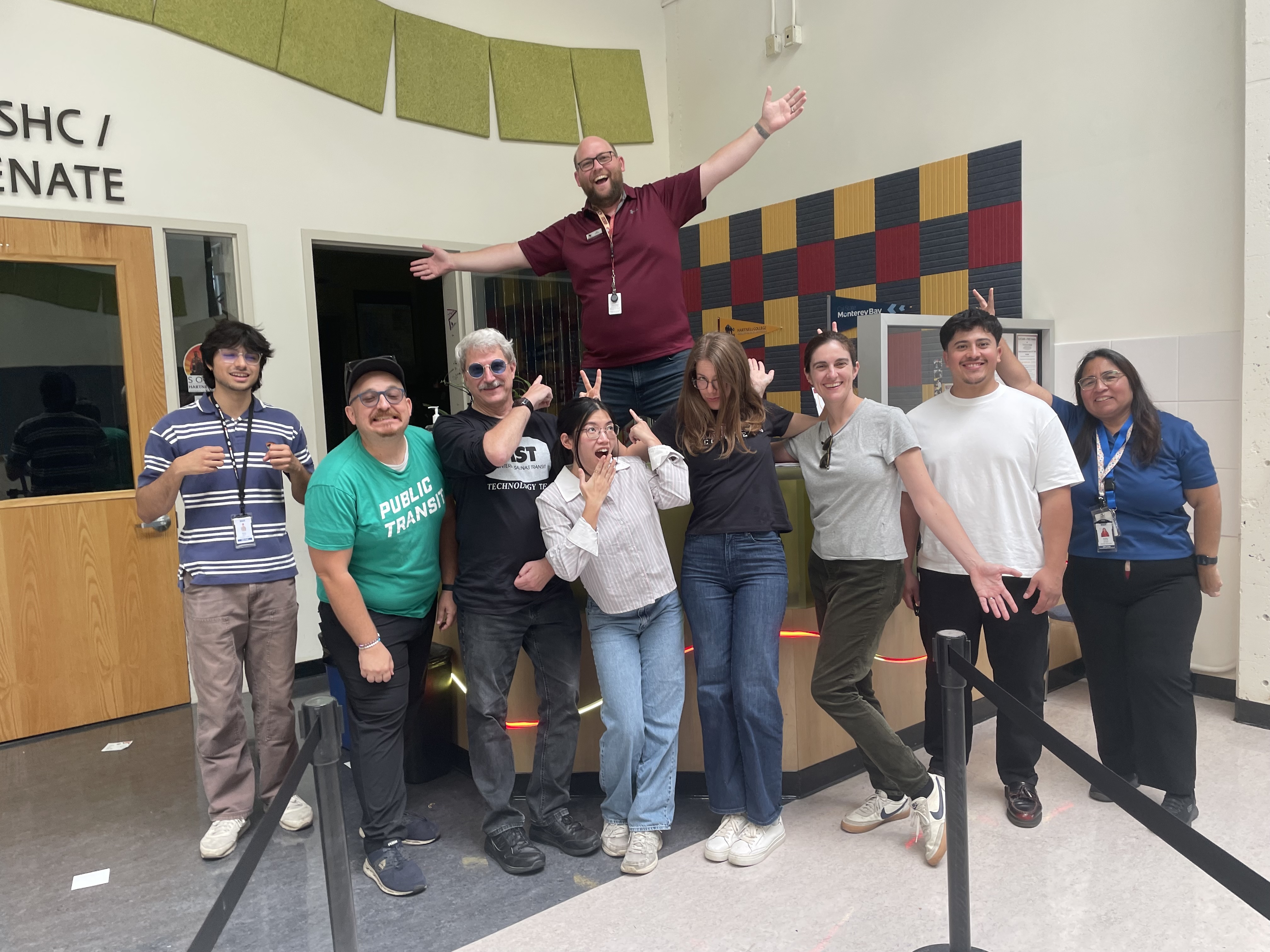
This week, Jawnt joined Monterey-Salinas Transit, Compiler, and Hartnell College to provide Hartnell’s students with a new, easier way to pay for transit.
This successful launch represents the first time a population of transit riders with a temporary, group-based eligibility have been able to retain their discounts in an open payments fare system.
Why is this so important? Read on to learn more.
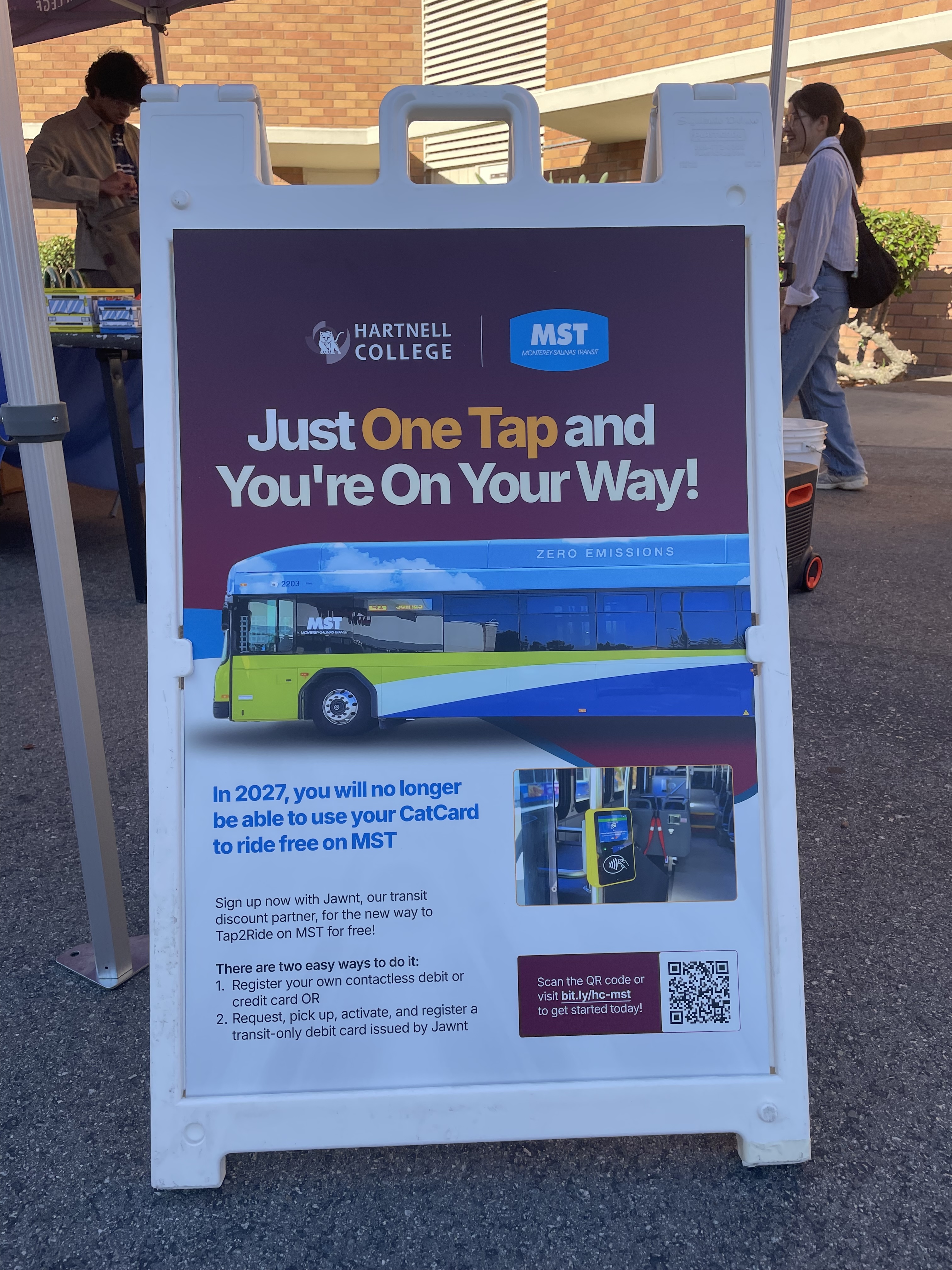
Technology is changing quickly everywhere we look, and this is just as true in transit technology. Observant riders may have noticed agencies announcing new “tap to ride” fare collection systems. These open payment systems allow riders to tap their personal debit or credit card directly on the fare machine to pay, rather than having to store money in a separate, closed, agency-issued smart card. Just this year, transit agencies in Atlanta, Los Angeles, Seattle, and Austin joined DC, the SF Bay Area, Chicago, Boston, New York City and dozens of others by rolling out tap to pay acceptance.
These new systems offer lower operating costs to agencies, a smoother experience for many riders, and a more unified payments experience overall. And riders are responding positively to the new technology – 87% of New York MTA trips are paid through “tap to ride” open payments.
While many agencies are moving towards these new open systems, not everyone is able to move with them. Federal and local policies require that transit agencies offer seniors, veterans, students, and others discounted fares. Debit and credit cards aren’t designed to communicate discount eligibility. A cup of coffee or a gallon of gas is supposed to cost the same regardless of who’s paying for it. Transit needs to work differently. For these riders to enjoy the convenience of open payments, they’d have to sacrifice their hard-earned discounts.
The State of California has been leading the way to bring discounts to open payments. In 2022, Monterey-Salinas Transit was the first transit agency in the country to allow seniors to register their own debit or credit card to automatically pay discounted fares when tapped on board. Through support from the California Integrated Travel Project (Cal-ITP), MST and others have expanded eligibility to veterans and public benefit recipients across the state. But these programs were all limited to single sources of truth, such as Login.gov, and permanent or near-permanent eligibility (once you’re a senior, you’re always a senior).
Students represent a unique challenge. There’s no one source of truth to determine who is and isn’t a student – every school maintains their own roster. And being a student is intended to be temporary – there must be a way to remove a graduating student from any discount program, whereas once a senior, always a senior.
Enter Jawnt, because this is exactly how employee commuter benefits work. We integrate with dozens of systems to receive up-to-date rosters from a multitude of organizations, each with their own formats and conventions. We also sync with these rosters frequently, to ensure organizations run a compliant program, ensure program eligibility, and streamline pass deliverance.
Jawnt partnered with MST and Compiler, another frequent Cal-ITP partner, to extend MST’s benefits program to students. Together, we applied for and were awarded a competitive Enhancing Mobility Innovation grant from the Federal Transit Administration, as well as local funds from the Transportation Agency for Monterey County.
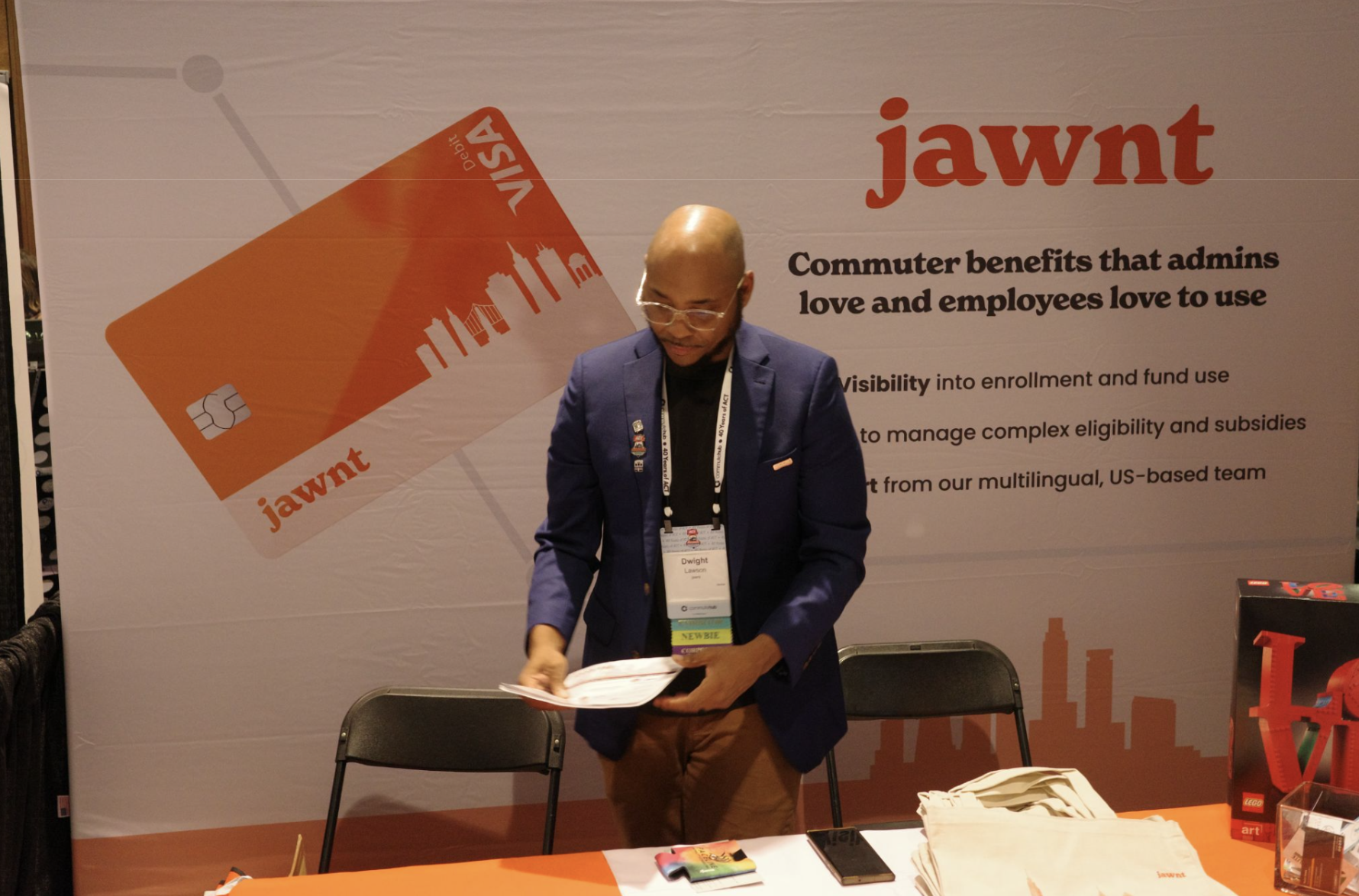
Hartnell College, a two-year college in Salinas, California and revered advocate for their student population, opted to pilot the new discount program. Early into the process, Hartnell identified that many of their students would either be unable to or potentially uncomfortable providing a personal debit or credit card to register. Jawnt was able to extend another core product offering, our Jawnt Pass debit card. This ensured that anyone with a preference, or those who are un/under-banked, could be fully supported throughout the program. As a result, any Hartnell student that is eligible for discount transit with MST could choose between registering their own card, or requesting a Jawnt Pass to register, and then tap this card for free rides on any MST bus.
Earlier this month, staff from Jawnt and Compiler traveled to Hartnell to support the launch of this student program during their fall Super Saturday campus welcome events. 231 students have requested a Jawnt Pass debit card (60% of participating students), to register instead of a personal card. Combined, these students comprise 4.4% of the Hartnell student population, which well exceeds the 0.9% regional transit mode share reported in the 2023 American Community Survey.
Building off earlier work in California, we hope this pilot proves that eligibility-based discounts can be fully and seamlessly implemented with open payments.
We look forward to continuing to support Hartnell College, its students, and transit riders from other institutions in Monterey, Salinas, and beyond.