Who are you?
What industry do you work in?

The IRS pre-tax limit for transit and parking is $350/month in 2027. See current and past commuter benefit limits and what they mean for employees and employers.

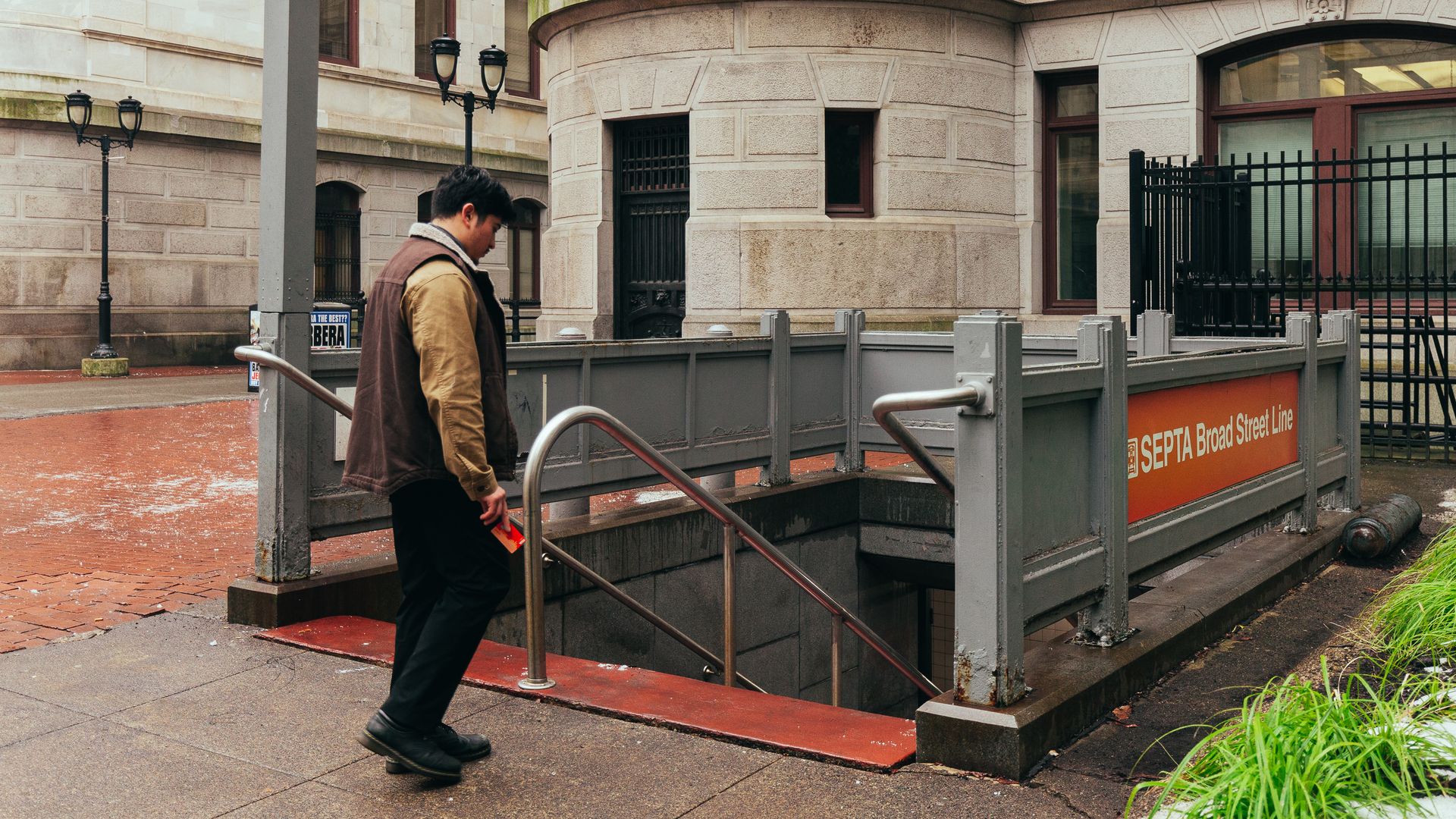
The IRS has raised the monthly pre-tax limit for commuter benefits to $350 for transit and vanpooling and $350 for parking, effective January 1, 2027. That's up from $340 in 2026. See the IRS announcement.
The two limits are separate, so an employee who both rides transit and pays for parking can set aside up to $700 a month before taxes.
Monthly pre-tax limit, applied separately to transit and vanpooling and to parking:
The IRS adjusts these limits for inflation every year, usually in late October or November. We update this page when it does.
Pre-tax commuter benefits let employees pay for transit and parking with income that isn't subject to federal income or payroll taxes. At the 2027 limit, an employee can set aside up to $4,200 a year for transit alone. Depending on their tax bracket, that typically saves them hundreds to more than a thousand dollars a year.
Employees who were already at the maximum may want to raise their election in January to use the extra $10 a month.
Every dollar employees set aside pre-tax is a dollar employers don't pay FICA on. For each employee contributing the full transit amount in 2027, that's about $320 a year in employer payroll-tax savings.
For Jawnt customers: there's nothing you need to do. We apply the new limit automatically in January and update payroll integrations, reports and enrollment materials. Questions? Contact your account manager or support@jawntpass.com.
Looking to offer commuter benefits, or to switch providers? Get in touch with our team.